Functional role
Lead designer
Scope
Linux to Android migration
Team
Developer · QA · PM · Scrum
Responsibility
Owned end-to-end UX
Overview
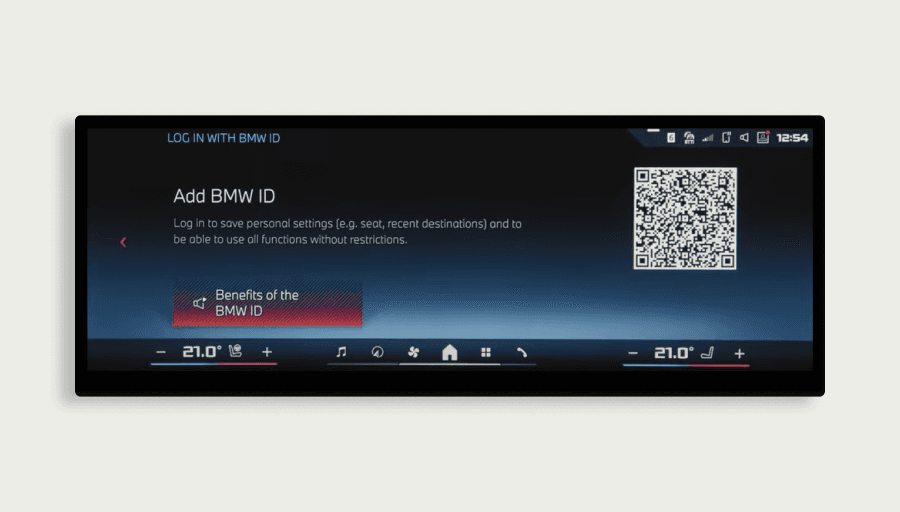
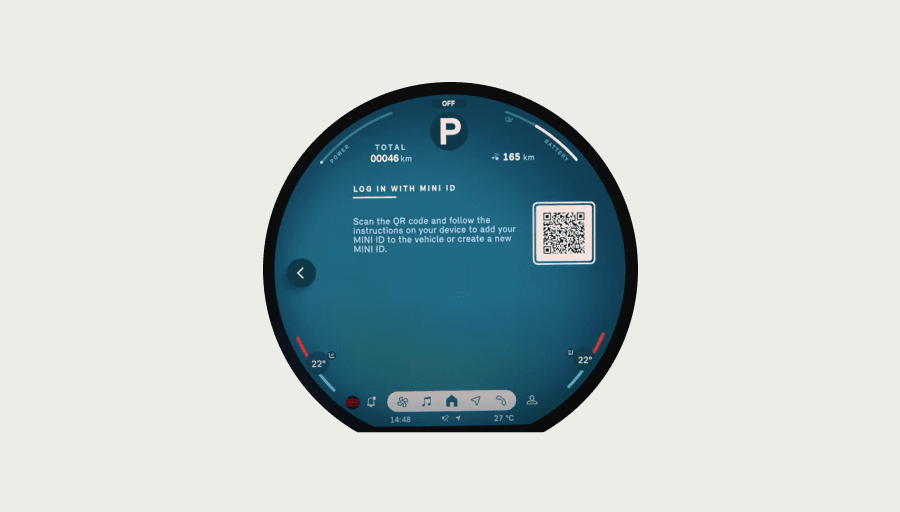
Vehicles from BMW and Mini offer 200+ configurable settings across driving, comfort, and infotainment. During the transition from a Linux-based system to Android, the goal was to retain familiar patterns while reducing complexity.
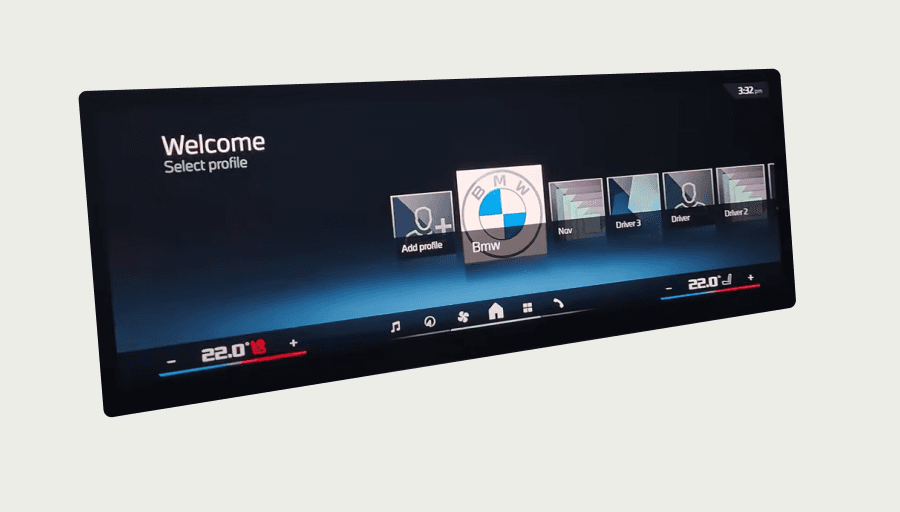
I was the sole design lead for personalization coordinating with developers, project managers and other stakeholders.
Problem
Users lacked a clear and intuitive way to personalize their in-car experience. Existing flows were fragmented and difficult to navigate.
Approach
Led design direction by simplifying core interactions and implementing scalable patterns within technical constraints.
01
Simplification over feature expansion
The linear settings list was hard to scan. I proposed tabs, proved it through usability testing, and reframed it as an evolution of the existing Linux patterns - not a departure.
02
Progressive disclosure
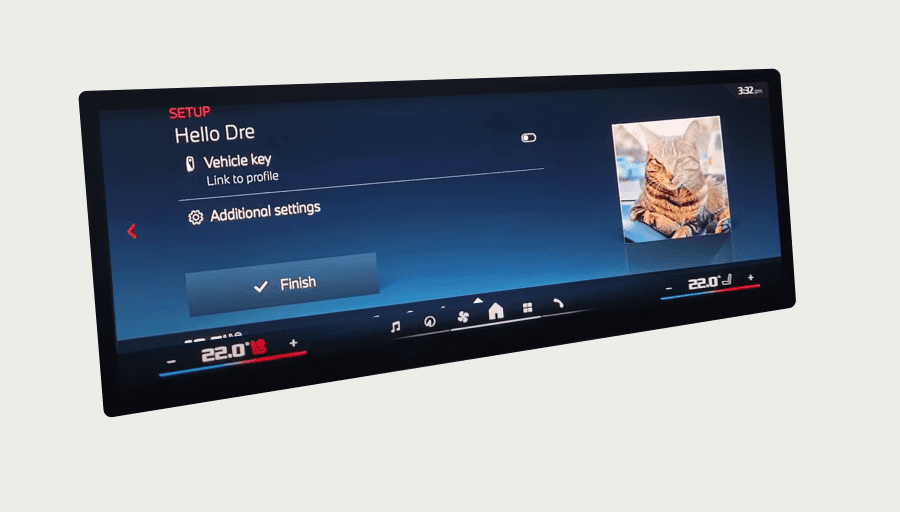
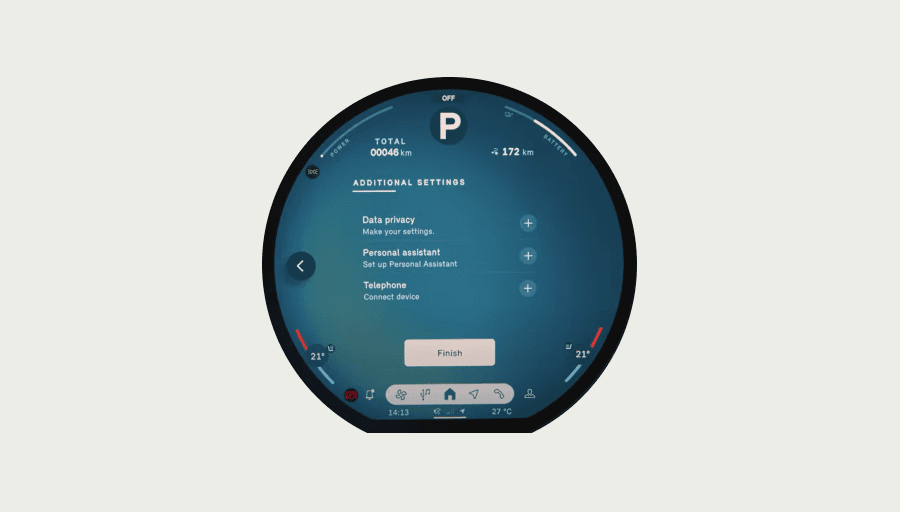
Non-essential features were going to stay hidden. I added them as an optional wizard step - driving discovery, satisfaction, and BMW ID adoption.
03
System-driven design
I worked closely with the UX practice team to align on shared components, but also challenged existing patterns when personalization needed something the system didn't cover yet.
Improved clarity and usability of personalization features, reducing friction in key user flows
Internal usability studies showed ~15–20% improvement in task completion speed and a measurable reduction in navigation errors post-launch.
Established consistent interaction patterns, improving scalability and cross-team alignment.